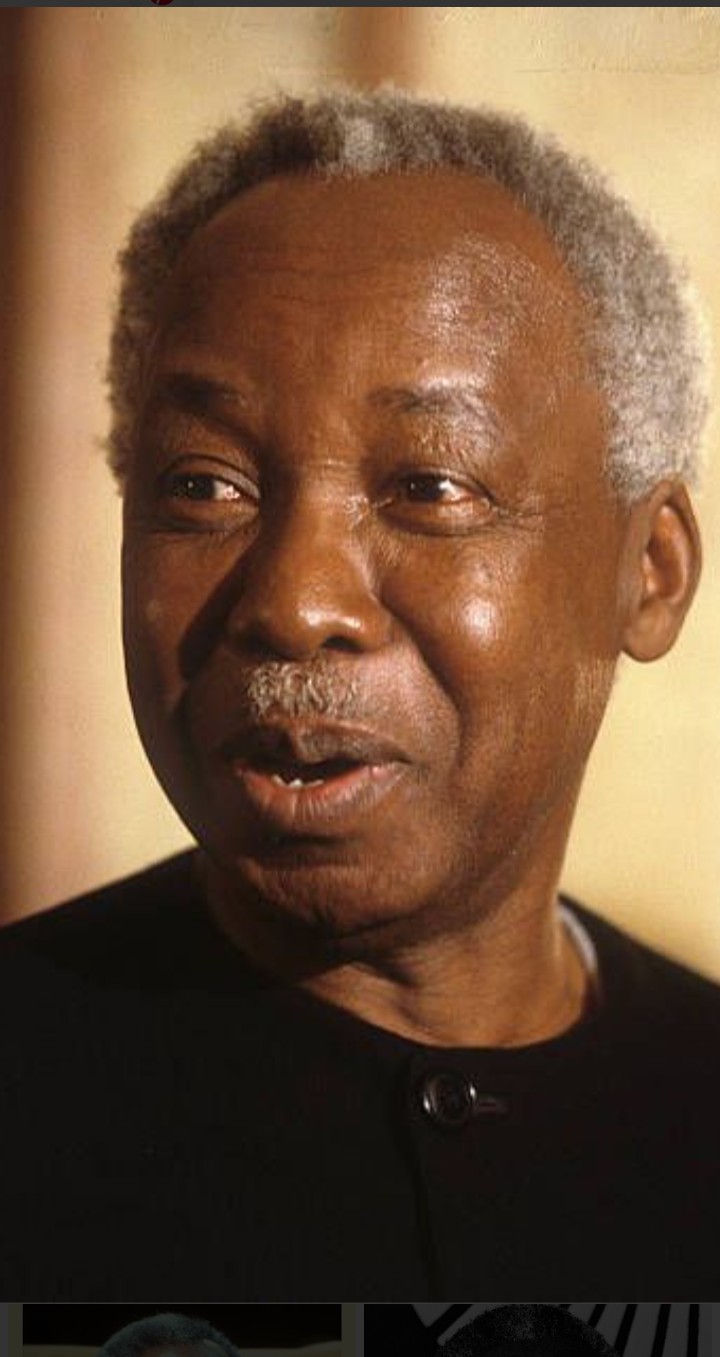
Julius Kambarage Nyerere has been dead for more than two decades, but his name continues to carry weight in Tanzania.
To many Tanzanians, he remains Mwalimu — the teacher who led Tanganyika to independence in 1961 and became the country's first president. He is remembered for his emphasis on national unity, education, peace and a simple way of life. He was also a committed Catholic.
Today, the Catholic Church is examining another part of his legacy: his faith and personal life, in a process that could one day lead to his recognition as a saint.
It is a long process, and there is still a long way to go.
Nyerere was a teacher before he became a politician. That background remained visible throughout his public life. His leadership was shaped by ideas of African independence, equality, self-reliance and national unity.
His government introduced ujamaa, a philosophy often translated as “familyhood”, which sought to promote communal responsibility and self-reliance. His political record has been debated over the years, especially around the economic difficulties associated with some of his policies.
But there is also a part of Nyerere's story that continues to attract admiration.
He left the presidency in 1985, choosing to step down rather than remain in power. After leaving office, he continued to take part in peace efforts and other public activities.
He died in London in 1999 while receiving medical treatment.
Six years later, the Catholic Church began the formal process of examining his life.
In 2005, the Tanzania Episcopal Conference, together with the late Bishop Justin Samba of Musoma, sought to have Nyerere's cause opened. On May 13 of that year, Pope Benedict XVI approved the cause and Nyerere was given the title “Servant of God.”
The title marked the beginning of the formal process. It did not mean that Nyerere had been declared a saint.
The initial investigation was handled by the Diocese of Musoma, where Nyerere was baptised. In 2014, with permission from the Vatican, the cause was transferred to the Archdiocese of Dar es Salaam.
The investigation involves documents, historical records and testimonies from people who knew Nyerere.
This is where the human stories become important.
A person who worked with Nyerere may remember how he behaved in private. A priest may speak about his religious life. A friend or family member may have memories that never appeared in official records. Even people who met him only occasionally can provide information about his character.
Recent information shared by ETW on Facebook indicates that the investigation has reached an interrogation, or witness-hearing, phase.
According to the ETW Facebook report, people who knew Nyerere are being questioned about different aspects of his life and character. The questions concern more than his years in government. They look at his faith, personal conduct, relationships with other people, his attitude towards power and the way he lived his everyday life.
The aim is to understand the person behind the public image.
The information about this particular interrogation phase is being attributed to the ETW Facebook report. It should therefore be distinguished from information formally confirmed by the Catholic Church unless an official diocesan or Vatican statement is also available.
The testimonies gathered during the investigation could become an important part of the evidence used to assess Nyerere's life.
The Church is not simply asking whether he was a good president. Political popularity alone cannot establish a case for sainthood. The investigation looks at whether a person lived according to Christian virtues to an exceptional degree.
That means questions about faith, humility, honesty, charity, courage and the treatment of other people can become important.
The process is detailed for a reason. A person's public reputation is not enough.
Once the diocesan investigation is completed, the evidence can be sent to the Vatican for further examination. If the Church concludes that Nyerere lived a life of heroic virtue, the Pope could declare him “Venerable.”
That would still not make him a saint.
For beatification, the Church would normally require evidence of a miracle attributed to his intercession. A further miracle would ordinarily be required before canonisation.
So, for now, Nyerere remains a Servant of God.
More than 20 years after his death, his life is being revisited from a different perspective. Historians have long debated his political decisions and economic policies. The Catholic Church is asking a different set of questions.
Who was Nyerere when he was away from the presidency?
How did he practise his faith?
How did he treat people?
How did he use power?
And did the values he spoke about become part of the way he lived?
The answers will come through documents, testimony and careful examination.
For a country that still remembers its founding president as Mwalimu, the possibility of seeing him recognised as a saint would be a significant moment.
But that decision will not be based on nostalgia or political reputation.
It will depend on the evidence.
For now, the investigation continues, with those who knew Julius Nyerere being asked to remember the man behind the name.



Discussion
No comments yet. Start the conversation.